-
This flagship session explores how nutrition, sleep, movement, mindfulness, and social connection shape brain resilience—translating neuroscience into practical strategies that support cognitive, emotional, and functional health across the lifespan.
-
This forward-looking session examines cutting-edge approaches to spinal disorders, chronic pain, and recovery—integrating surgery, engineering, neuromodulation, imaging, and rehabilitation science to restore function, mobility, and quality of life.
-
IGNITE (Igniting Neuroscience Innovation, Teaching and Exploration) inspires learners across all stages to rediscover curiosity in neuroscience through hands-on exploration, creative building, mentorship, and lived experience—reframing education as an active, lifelong process of discovery.
-
The Global Neuroscience Livestream Event brings together voices from around the world to listen, learn, and collaborate—connecting science, care delivery, policy, and lived experience to advance equitable neuroscience education and brain health across borders.
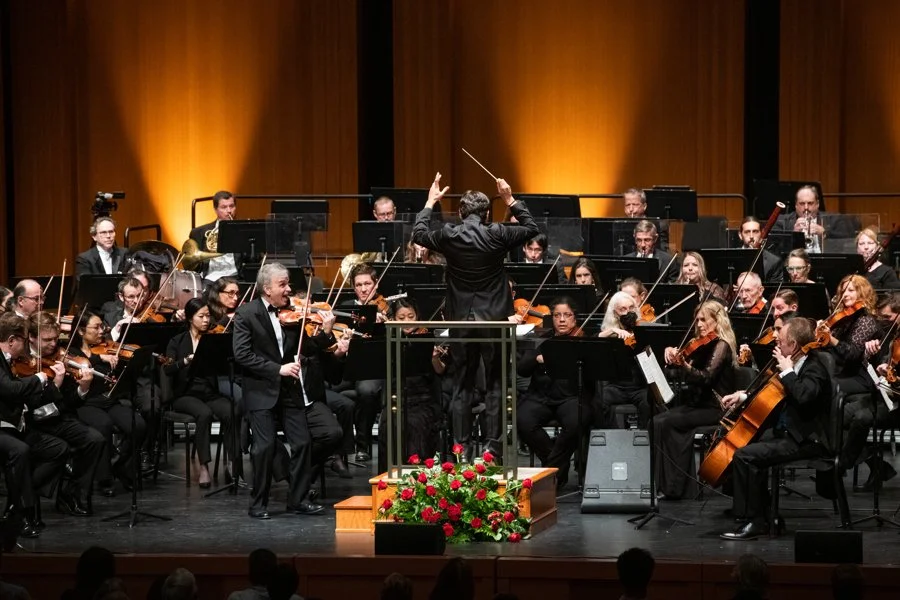
“A Concert of Neuroscience and Innovation”
Jacobo Mintzer, MD, MBA
MIND 2026
Keynote Speaker
“Music on Our Minds: The Rich Potential of Music to Promote Brain Health and Mental Well-Being”
Tuesday | April 21st | 9am
Gaillard Center Grand Ballroom
Tuesday, April 21, 2026
Brain Health & Lifestyle Medicine
Featured Speakers

Kaitlin DaPore, NBC-HWC
Day 1 explores how nutrition, sleep, movement, mindfulness, and social connection shape brain resilience—translating core neuroscience into practical, evidence-based strategies that support cognitive, emotional, and functional health across the lifespan.
Health & Wellness Coach, Training and Education Program, Medical University of South Carolina
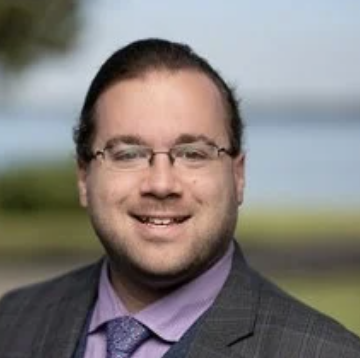
Ben Bullock, MSW, MPA
Vice President & COO, Together SC
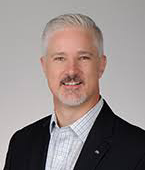
Chris Cowan, PhD
Chair, Department of Neuroscience, Medical University of South Carolina
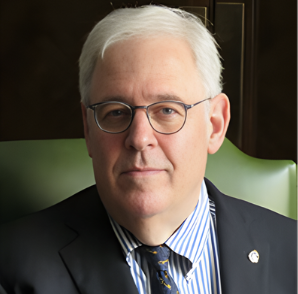
Joseph J. Fins, MD, DHL, DMSc, MACP, FRCP
Chief, Division of Medical Ethics, Weill Cornell Medical College; Visiting Professor of Law, Yale Law School
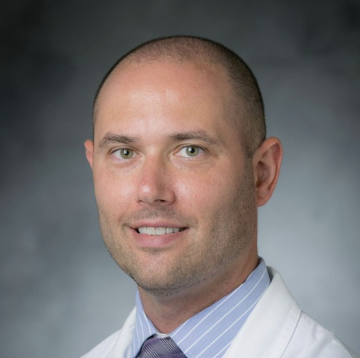
Peter Fecci, MD, PhD
Chair, Department of Neurosurgery, University of Colorado
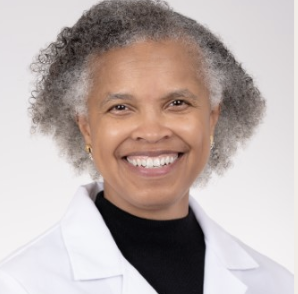
Anne Maitland, MD, PhD
Director, Ehlers Danlos Syndrome Institute, Medical University of South Carolina
-
This highly interactive experience allows young learners to rotate through hands-on neuroscience stations led by students, residents, and educators. The emphasis is on play, exploration, and discovery—creating an inviting environment that encourages creativity and curiosity about how the brain and spine work together to support learning, movement, emotion, and everyday experiences.
-
The STEM Bowl brings brain science to life through a high‑energy, game‑show–style competition for high school and undergraduate students. Teams test knowledge of brain anatomy, function, behavior, and disease while solving real‑world problems under time pressure. Designed to celebrate curiosity, teamwork, and scientific thinking, the STEM Bowl showcases the excitement of discovery across neuroscience and related disciplines.
-
An interactive, age‑appropriate exploration of the brain and spinal cord designed to spark wonder and curiosity in younger learners. Faculty perform live brain and spinal cord demonstrations, guiding participants through major structures, pathways, and functions using clear language, visuals, and hands‑on engagement.
-
Making Neuroscience Fun
Helmet Safety Demonstration (Charleston PD)
The Brain in Action! Biofeedback Session
NeuroCoding Challenge (College and Graduate Students)
A Day in the Life of a Neuro Doctor Panel
-
Item description
-
Item description
”The most captivating thing I’ve ever seen!”
“Precision Neuromodulation in Parkinson’s Disease: Patient‑Specific Circuit Modeling to Optimize Therapy”
Tuesday | April 21st | 1pm
Gaillard Center Grand Ballroom
-Cameron McIntyre , PhD
Wednesday, April 22, 2026
Spine, Pain and Neurorehabilitation
Featured Speakers
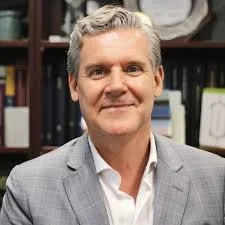
Michael Fehlings. MD, PhD, FRCSC, FACS
Day 2 examines cutting-edge approaches to spinal disorders, chronic pain, and recovery—integrating surgery, engineering, neuromodulation, imaging, and rehabilitation science to help restore function, mobility, and overall quality of life across diverse patient populations.
-
A mechanistic and translational session focused on acute spinal cord injury, emphasizing time‑sensitive interventions that preserve tissue, optimize perfusion, and initiate recovery pathways. Speakers examine surgical timing, neuroprotection, intrathecal pressure management, and early prognostic tools that shape outcomes following SCI.
-
A forward‑looking session focused on novel ways to improve recovery and quality of life after spinal cord injury. Speakers highlight pharmacobiologic therapies, rehabilitation engineering, and pain management strategies designed to restore function and improve long‑term outcomes.
-
A forward‑looking session on advanced spine imaging and biomarker‑driven diagnostics designed to enable precision decision‑making across spine care. Speakers explore quantitative MRI, electrophysiologic biomarkers, machine‑learning–based risk stratification, and imaging predictors of recovery, complications, and long‑term outcomes.
-
This session examines how rapidly evolving technologies—including robotics, artificial intelligence, stereotactic radiosurgery, and minimally invasive techniques—are reshaping spine surgery. Speakers explore how data-driven planning, automation, and precision tools are altering surgical decision-making, implant design, and operative execution, while critically assessing evidence, limitations, and implementation challenges in real-world practice.
-
This session positions chronic pain treatment as an engineering and computational neuroscience problem, emphasizing how neural signals are measured, modeled, and manipulated to achieve therapeutic benefit. Speakers highlight mechanism‑driven neuromodulation, biophysical modeling, closed‑loop control, and algorithmic personalization.
Professor, Neurosurgery, University of Toronto & Krembil Brain Institute
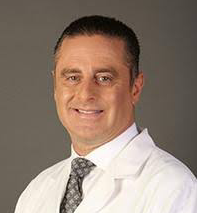
Jonathan Jagid, MD
Professor, Neurosurgery, Neurology, Orthopaedics & Rehabilitation, University of Miami
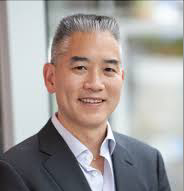
Brian Kwon, MD, PhD
Full Professor, Department of Orthopaedics, University of British Columbia
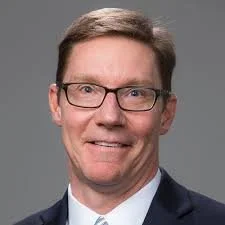
Warren Grill, PhD
Professor, Biomedical Engineering, Duke University
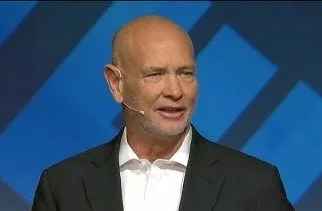
Robert Masson, MD
Founder, Masson Spine Institute, Orlando, FL & Park City, UT
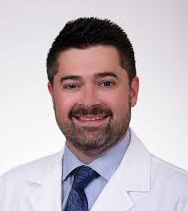
Jamie Wilson, MD, FRCS, MSc
Associate Professor, Neurosurgery, Medical University of South Carolina
Thursday, April 23, 2026
IGNITE Day (Igniting Neuroscience Innovation, Teaching and Excellence) for Students
MIND 2026 IGNITE Visiting Scholar-in-Residence for Neurotechnology & Learning
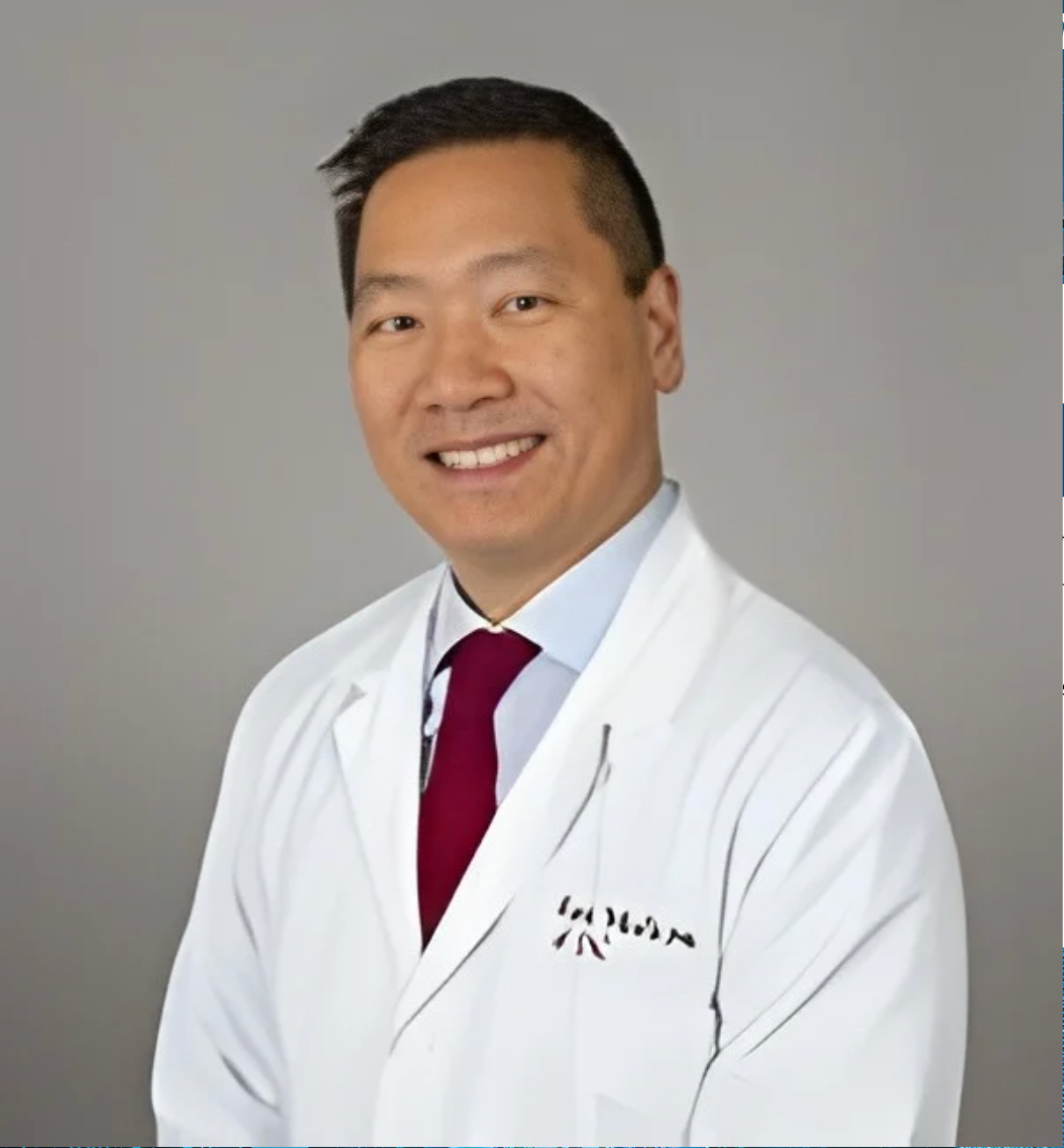
IGNITE Day Highlights
As MIND’s IGNITE Scholar-in-Residence, Dr. Charles Liu will anchor the day’s keynote, lead hands-on neuroengi-neering sessions, and actively mentor learners throughout the program. He will guide participants toward curiosity-driven discovery through building and creative problem-solving—emphasizing inspiration as a catalyst for lifelong learning in neuroscience.
“Igniting Minds in Neuroscience: Tracing the Thread from K-12 to the Operating Room”
-
This highly interactive experience allows young learners to rotate through hands-on neuroscience stations led by students, residents, and educators. The emphasis is on play, exploration, and discovery—creating an inviting environment that encourages creativity and curiosity about how the brain and spine work together to support learning, movement, emotion, and everyday experiences.
-
The STEM Bowl brings brain science to life through a high‑energy, game‑show–style competition for high school and undergraduate students. Teams test knowledge of brain anatomy, function, behavior, and disease while solving real‑world problems under time pressure. Designed to celebrate curiosity, teamwork, and scientific thinking, the STEM Bowl showcases the excitement of discovery across neuroscience and related disciplines.
-
An interactive, age‑appropriate exploration of the brain and spinal cord designed to spark wonder and curiosity in younger learners. Faculty perform live brain and spinal cord demonstrations, guiding participants through major structures, pathways, and functions using clear language, visuals, and hands‑on engagement.
-
Making Neuroscience Fun
Helmet Safety Demonstration (Charleston PD)
The Brain in Action! Biofeedback Session
NeuroCoding Challenge (College and Graduate Students)
A Day in the Life of a Neuro Doctor Panel
Neuroscience Discovery Camp!
This highly interactive experience allows young learners to rotate through hands-on neuroscience stations led by students, residents, and educators. The emphasis is on play, exploration, and discovery—creating an inviting environment that encourages creativity and curiosity about how the brain and spine work together to support learning, movement, emotion, and everyday experiences.
Thursday | April 23rd | 9a
Gaillard Center Grand Ballroom
Brain-STEM Bowl +
NeuroCoding Challenge!
The Brain-STEM Bowl & NeuroCoding Challenge bring brain science to life through a high‑energy, game‑show–style competition for middle, high school and undergraduate students. Teams test knowledge of brain anatomy, function, behavior, and disease while solving real‑world problems under time pressure. Designed to celebrate curiosity, teamwork, and scientific thinking, these competitions showcase the excitement of discovery across neuroscience and related disciplines.
Thursday | April 23rd | 11a
Gaillard Performance Hall
Friday, April 24, 2026
Global Neuroscience: Connecting Minds, Care & Communities Around the World
Featured Speakers
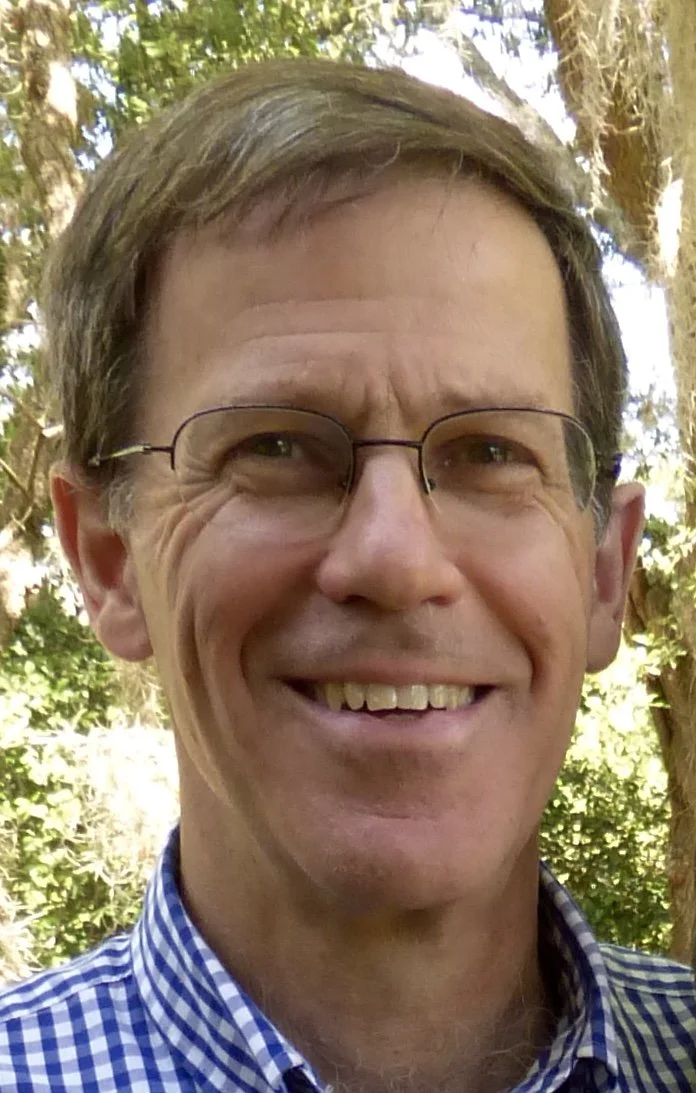
Jim Brown, MD
Day 4 brings together voices from around the world to listen, learn, and collaborate—connecting science, care delivery, policy, and lived experience to advance equitable neuroscience education, innovation, and brain health across borders and diverse communities.
-
A mechanistic and translational session focused on acute spinal cord injury, emphasizing time‑sensitive interventions that preserve tissue, optimize perfusion, and initiate recovery pathways. Speakers examine surgical timing, neuroprotection, intrathecal pressure management, and early prognostic tools that shape outcomes following SCI.
-
Item description
-
A forward‑looking session focused on novel ways to improve recovery and quality of life after spinal cord injury. Speakers highlight pharmacobiologic therapies, rehabilitation engineering, and pain management strategies designed to restore function and improve long‑term outcomes.
General Surgeon, Volunteer, Samaritan’s Purse, Disaster Assistance Response Team
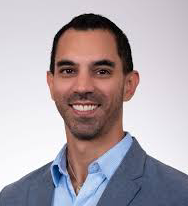
Ramin Eskandari, MD, MS
Professor, Pediatric Neurosurgery; Director, Pediatric Neuroscience Institute, Medical University of South Carolina
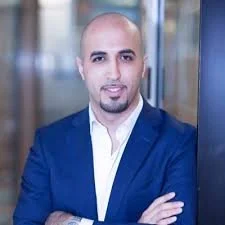
Mike Mallah, MD, FACS, FICS
Assistant Professor, Surgery; Director, Global Surgery Program, Medical University of South Carolina
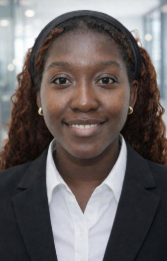
Pearl Tenkorang
Medical Student (M1), Vilnius University Faculty of Medicine
William Vandergrift, MD
Professor, Neurosurgery, Medical University of South Carolina
Mia Majauskaite
Medical Student (M5), University of Ghana Medical School
“It connects you with something human.”
Global Voices in Neuroscience Panel (Livestreamed)
Friday | April 24th | 10a EST
Gaillard Center Grand Ballroom
-Mike Mallah, MD
Join us for the Charleston Symphony Orchestra!
Register to attend the MIND 2026 Conference and gain access to four days of cutting-edge neuroscience education, interdisciplinary collaboration, and professional development. Flexible registration options are available, including single-day and multi-day passes. Early Bird rates end Sunday, February 15 — secure your discounted registration today.
Get your annual
Continuing Medical Education (CME)
or
Continuing Education Units (CEU )
at MIND 2026!
Credit Designation
The Medical University of South Carolina designates this live activity for a maximum of 23.75
AMA PRA Category 1 Credit(s)™. Physicians should claim only the credit commensurate with
the extent of their participation in the activity.
Accreditation
The Medical University of South Carolina is accredited by the Accreditation Council for
Continuing Medical Education (ACCME) to provide continuing medical education for Physicians.
Disclosure Statement
In accordance with the ACCME Standards for Integrity and Independence in Accredited
Continuing Education anyone involved in planning or presenting this educational activity will be
required to disclose any financial relationships with any ineligible companies. An ineligible
company is any entity whose primary business is producing, marketing, selling, reselling, or
distributing healthcare products used by or on patients. Any financial relationships with these
ineligible companies have been mitigated by the MUSC Office of CME. Speakers who
incorporate information about off-label or investigational use of drugs or devices will be asked
to disclose that information at the beginning of their presentation.